What the Northeast Offices Need to Know About Water Quality
Clean, great-tasting water is something most of us take for granted—especially in the workplace. Offices rely on water every day for drinking, coffee, tea, and employee wellness. But many businesses are surprised to learn that even treated municipal water can still contain contaminants that affect taste, odor, and long-term health.
For businesses across the Northeast, understanding what’s in your water is the first step toward protecting your employees and creating a healthier, more sustainable workplace.
In this blog, we’ll explore:
- Common water contaminants found in the Northeast region
- Why knowing what’s in your water matters for offices and employees
- How to check your local water quality
- How Aztec’s bottleless water systems, backed by Waterlogic, provide a smarter solution
Why Water Quality Matters in the Workplace
Water plays a bigger role in the office than many organizations realize. It impacts:
- Employee health and hydration
- Workplace satisfaction and productivity
- Coffee and beverage quality
- Environmental sustainability
Even when water meets federal safety standards, trace contaminants may still be present. Over time, these can affect taste, smell, and employee confidence in the water they’re drinking.
That’s why proactive businesses are taking a closer look at what’s coming out of their taps.
Common Water Contaminants in the Northeast Area
Water quality varies widely across Northeast depending on local infrastructure, water sources, and treatment methods. Some of the most common contaminants found in the region include:
1. Lead
Lead is one of the most well-known water contaminants and remains a concern in older buildings and municipalities with aging pipes.
- Often enters water through corroded plumbing
- Can impact taste and safety
- Particularly concerning for long-term exposure
Even if your municipality has improved treatment, lead can still leach into water from internal building plumbing.
2. PFAS (“Forever Chemicals”)
PFAS compounds have been increasingly detected in water systems across Northeast.
- Linked to industrial and manufacturing activity
- Persistent in the environment
- Can accumulate over time
These contaminants are odorless and tasteless, making them difficult to detect without testing.
3. Chlorine & Chloramines
Chlorine is commonly used to disinfect municipal water supplies.
- Necessary for killing bacteria
- Can affect taste and smell
- Can dry skin and irritate sensitive individuals
While effective for sanitation, many people prefer filtered water that removes excess chlorine before consumption.
4. Sediment & Particulates
Sediment can enter water through aging infrastructure or local environmental factors.
- Can make water appear cloudy
- Affects taste and appliance performance
- Often overlooked but common
5. Volatile Organic Compounds (VOCs)
VOCs may enter water from industrial runoff or chemical use.
- Includes solvents and fuel-related compounds
- Potential long-term health concerns
- Difficult to identify without testing
How to Check Your Local Water Quality
One of the most important steps businesses can take is simply becoming informed.
The Environmental Working Group (EWG) offers an easy-to-use database that allows you to check water quality by ZIP code.
👉 Check your local water quality here: https://www.ewg.org/tapwater/
This tool helps businesses:
- Understand potential contaminants in their area
- Compare results against health guidelines
- Make informed decisions about filtration and treatment
Why More Offices Are Rethinking Bottled Water
Many offices turn to bottled water as a quick fix—but it comes with drawbacks:
- High recurring costs
- Plastic waste and environmental impact
- Storage and delivery challenges
- Inconsistent supply
As sustainability and employee wellness become higher priorities, businesses are looking for better alternatives.
Aztec’s Solution: Bottleless Water Systems Powered by Waterlogic
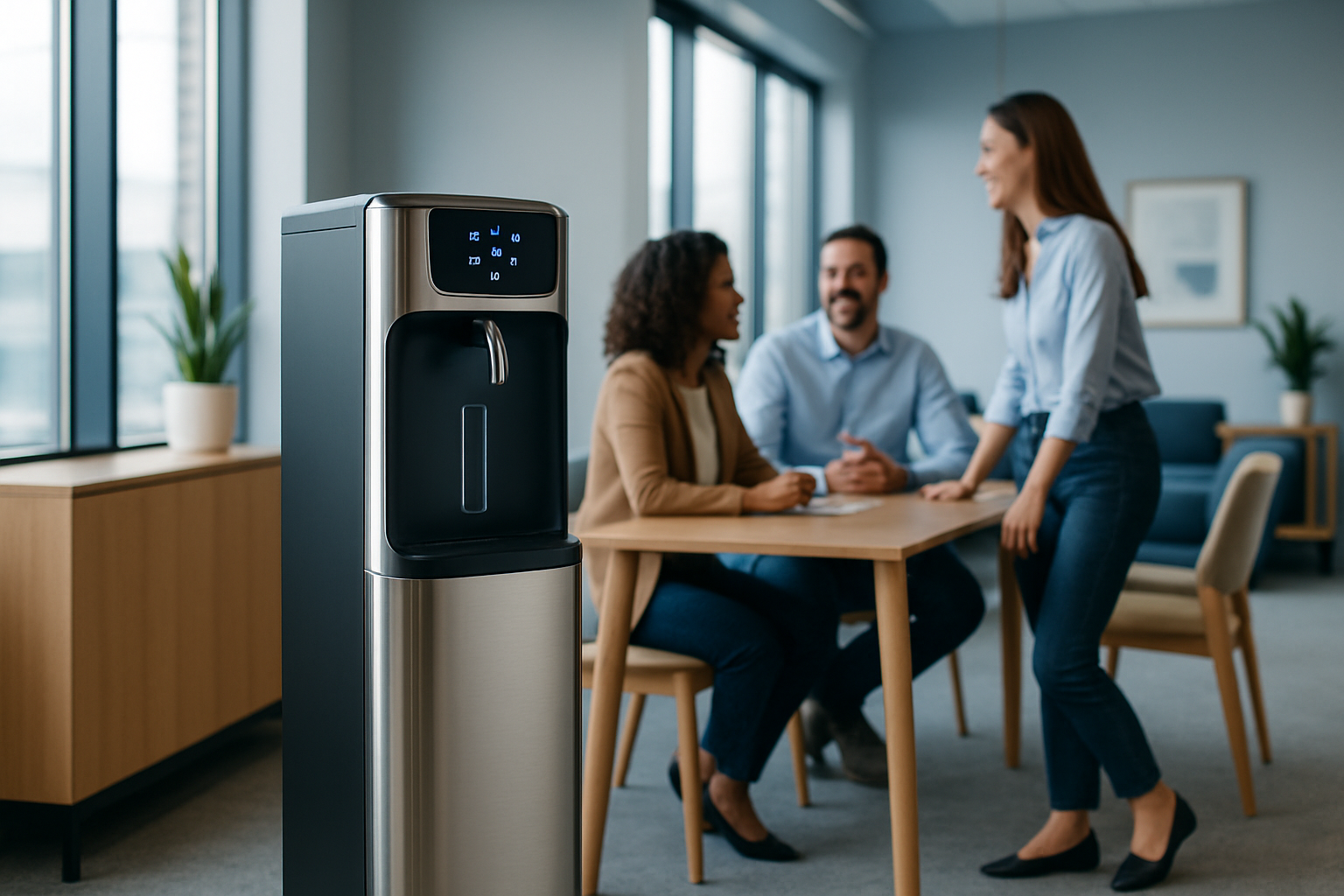
At Aztec, we help offices move beyond bottled water with bottleless water systems backed by Waterlogic—a global leader in advanced water purification.
These systems:
- Connect directly to your existing water supply
- Use multi-stage filtration and purification
- Reduce or eliminate common contaminants
- Deliver chilled, hot, and ambient water on demand
Waterlogic systems are designed for offices, ensuring:
- Consistent water quality
- Improved taste and confidence
- Reduced plastic waste
- Lower long-term costs
How Aztec Helps You Choose the Right Water Solution
Every office is different. That’s why Aztec takes a consultative approach.
We work with businesses to:
- Evaluate water usage and employee count
- Review office layout and breakroom needs
- Understand local water concerns
- Recommend the right Waterlogic system
- Handle installation, service, and ongoing support
From small offices to multi-location organizations, we ensure your water solution fits your workspace—not the other way around.
A Smarter, Healthier Office Starts With Better Water
Understanding what’s in your water empowers you to make better decisions for your employees, your budget, and the environment.
With Aztec’s bottleless water systems, offices gain:
- Cleaner, better-tasting water
- Reduced environmental impact
- Simplified water management
- Peace of mind
Final Thoughts
Concerned about the quality of your office water—or ready to move away from bottled water?
👉 Connect with Aztec today to explore bottleless water solutions tailored to your workspace.
Submit your inquiry here