What Is the Difference Between a Toner and Drum? Do I Need Both?
If you’ve ever found yourself scratching your head while shopping for replacement supplies, you’re not alone. Understanding the relationship between toner and drum units is key to keeping your office printing efficient, cost-effective, and frustration-free.
The Basics of Laser Printing
-
The printer receives the digital file and uses a laser to “write” the image onto the drum unit, which has a light-sensitive coating.
-
The charged areas of the drum attract toner particles.
-
The drum rolls over the sheet of paper, transferring the toner.
-
A fuser heats and presses the toner so it bonds permanently to the page.
What Is Toner?
Key Characteristics of Toner:
-
Format: Powder, not liquid ink.
-
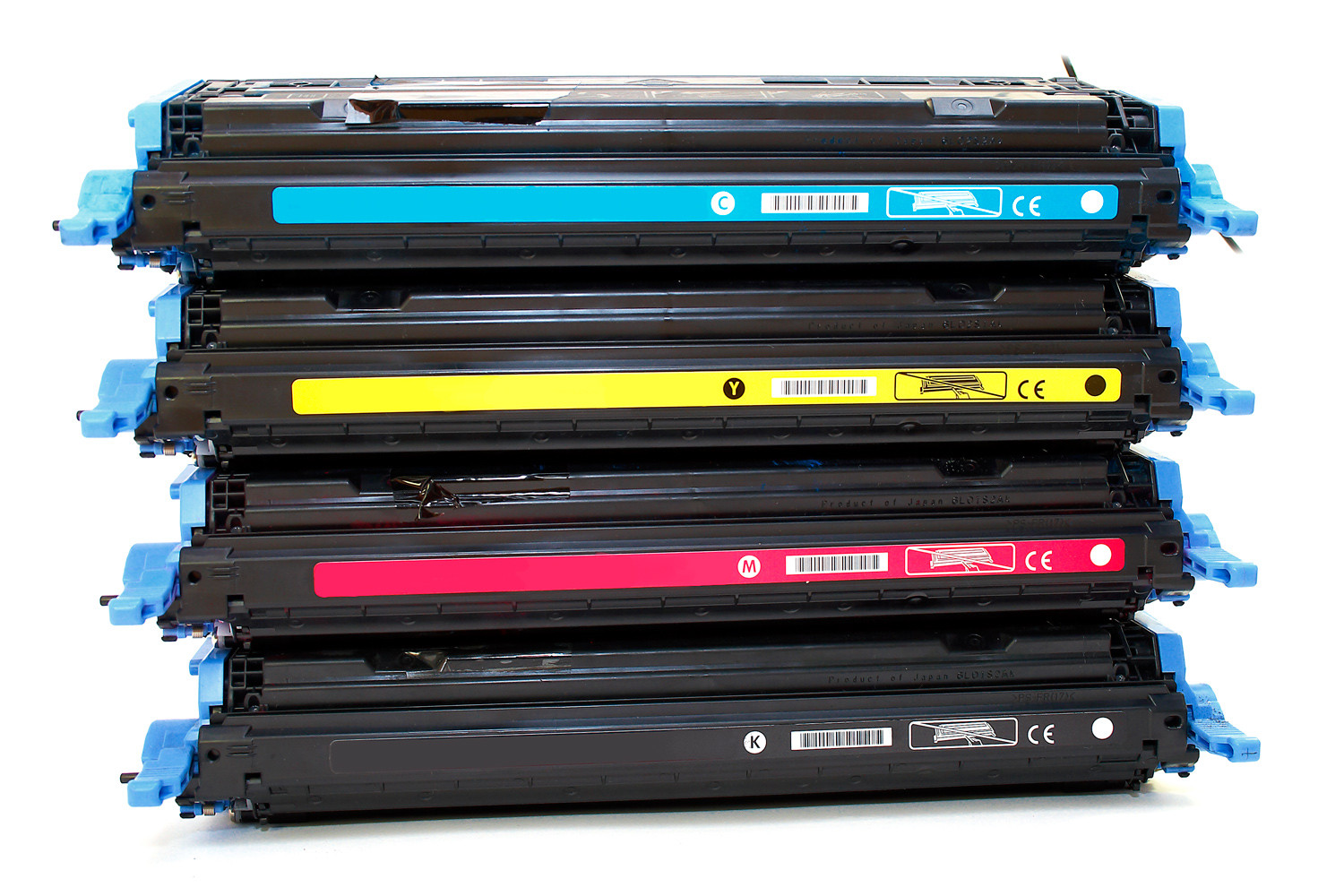
Color Options: Black is most common, but color laser printers use cyan, magenta, yellow, and black (CMYK).
-
Packaging: Stored inside a toner cartridge, which slots into your printer.
-
Replacement Cycle: Usually replaced more frequently than drums, depending on print volume.
Why Toner Matters:
-
Determines print clarity and sharpness.
-
Impacts cost per page (CPP) significantly.
-
Available in different yield sizes—standard or high-capacity cartridges.
Think of toner as the fuel your laser printer needs to run.
What Is a Drum Unit?
Key Characteristics of Drums:
-
Format: A physical unit separate from toner (in many printers).
-
Function: Transfers toner particles from the cartridge onto paper in the correct pattern.
-
Replacement Cycle: Longer lifespan than toner, typically lasting through multiple toner cartridges.
-
Cost: Generally more expensive than a single toner cartridge, but replaced less often.
Why Drums Matter:
-
Ensures proper image transfer for sharp text and vibrant images.
-
A worn drum can cause streaks, smudges, faded areas, or repeated marks across pages.
Do I Need Both Toner and Drum?
Whether you need to buy toner and drum separately—or whether they come together—depends on your printer model.
Two Common Configurations:
-
Separate Toner and Drum Units
-
Toner and drum are independent.
-
You’ll replace toner more often, drums less frequently.
-
Common in Brother and some Canon printers.
-
Example: You might replace toner every few months but only swap out a drum once a year.
-
-
All-in-One Toner + Drum Cartridges
-
The drum is integrated into the toner cartridge.
-
Every time you change toner, you also replace the drum.
-
Common in HP and many other brands.
-
Easier to manage, but can mean higher ongoing costs since drums are replaced more often.
-
Which Is Better?
-
Separate units: More sustainable and cost-effective long term, but requires monitoring both consumables.
-
All-in-one: Simpler for busy offices, but can cost more in the long run.
Signs You Need a New Toner vs. a New Drum
Signs of Low Toner:
-
Faded text or images.
-
Frequent “low toner” alerts.
-
Pages printing blank or very light.
Signs of a Worn Drum:
-
Streaks, lines, or blotches across pages.
-
Repeating marks appearing at regular intervals.
-
Ghost images (a faint duplicate of a previous image or text).
-
Toner smudging off the page even after printing.
Cost Considerations: Toner vs. Drum
-
Toner costs vary by brand, page yield, and whether you choose OEM (original) or compatible supplies.
-
Drum units last longer but cost more upfront.
Aztec helps businesses in New England reduce costs by sourcing the right supplies—whether OEM or high-quality compatible options.
OEM vs. Compatible Toner and Drums
OEM (Original Equipment Manufacturer)
-
Branded by the printer manufacturer.
-
Guaranteed compatibility.
-
Higher cost.
Compatible Supplies
-
Produced by trusted third-party manufacturers.
-
Designed to meet or exceed OEM standards.
-
Lower cost—often 20–40% savings.
-
Backed by Aztec’s quality assurance and warranty.
The Role of Maintenance and IT Support
-
Cleaning drum units regularly extends their lifespan.
-
Monitoring toner levels prevents last-minute shortages.
-
Managed print services (MPS) can automate supply replenishment.
Industry Examples
Accounting Firms
High print volumes during tax season make cost per page critical. Choosing high-yield toner and monitoring drum wear prevents disruptions when deadlines matter most.
Healthcare Offices
Patient documents must be clear, legible, and HIPAA-compliant. A failing drum could compromise record quality. Preventative replacement avoids compliance risks.
Schools & Libraries
Budget constraints make compatible toner and drums a smart option. Aztec helps districts stretch budgets without sacrificing print quality.
How Aztec Helps Businesses Choose the Right Supplies
-
Identify whether their printers use separate or all-in-one units.
-
Compare OEM vs. compatible supplies for cost savings.
-
Automate ordering through managed print services.
-
Troubleshoot print quality issues and recommend the right fix (toner vs. drum replacement).
Final Thoughts: Toner and Drum—Both Are Essential
So, do you need both toner and a drum? Absolutely.
-
Toner provides the “ink.”
-
The drum makes sure that ink lands on the page correctly.
-
Depending on your printer, they may come as one unit or separate components.
Ready to Simplify Your Printing?
Aztec makes it easy to manage printers, supplies, and service across your organization. Whether you need OEM or compatible toner and drum units—or a fully managed print solution—we’ll help you cut costs and avoid surprises.
👉 Contact Aztec today to schedule a free print assessment and discover how much you could save.
Explore our Managed Print Services and supply solutions here
Aztec Office Technology | Middletown, CT Smart. Simple. Scalable. Proudly serving New England businesses with expert consultation, quality supplies, and managed technology solutions.